



soon
SKIN BOOSTER PRPDUCTS
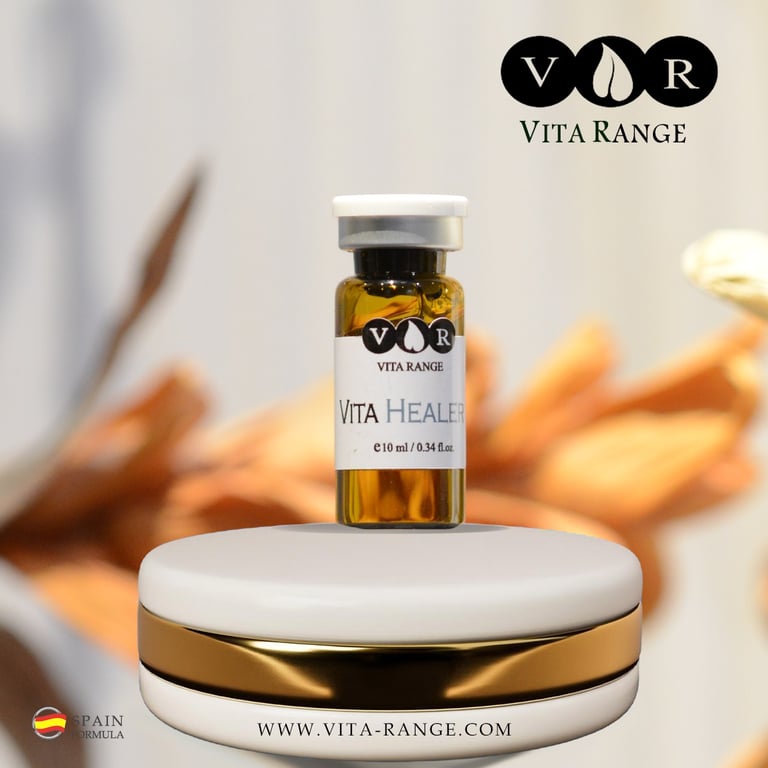
VITA HAIR
Dutasteride's main job is to block an enzyme called 5-alpha reductase. This enzyme is what converts testosterone into dihydrotestosterone, or DHT. DHT is the hormone responsible for shrinking hair follicles in male pattern baldness. By stopping that conversion, Dutasteride reduces DHT levels in the scalp, which prevents further follicle damage and can even help promote hair regrowth.
Side Effects of Dutasteride
Dutasteride works by inhibiting both Type I and Type II isoforms of the 5-alpha reductase enzyme. This leads to a significant reduction (up to 90% or more) in serum Dihydrotestosterone (DHT) levels.
1. Common Sexual Side Effects
Due to the reduction of DHT, the most frequently reported side effects involve reproductive health:
* Decreased Libido: A noticeable reduction in sex drive.
* Erectile Dysfunction (ED): Difficulty achieving or maintaining an erection.
* Ejaculatory Disorders: Decreased volume of ejaculate or changes in consistency.
2. Physical Changes
* Gynecomastia: Tenderness or enlargement of the breast tissue in men (caused by a slight shift in the estrogen/androgen balance).
* Skin Reactions: Occasionally, users may experience minor rashes or hives if they have a sensitivity to the drug.
3. Neuropsychological Effects
* Mood Changes: Some clinical observations have linked 5-alpha reductase inhibitors to increased risks of depression and anxiety, though this is less common.
Critical Safety Warnings
⚠️ Pregnancy Contraindication
Dutasteride is strictly prohibited for women who are pregnant or planning to become pregnant. Because it blocks DHT (which is essential for the development of male fetal genitalia), exposure can cause severe birth defects.
⚠️ Blood Donation
Users must wait at least 6 months after their last dose before donating blood. This ensures the drug is completely cleared from the system so it isn't accidentally transfused into a pregnant woman.
Topical vs. Oral Administration
* Oral (Capsules): Higher risk of the systemic side effects mentioned above because the drug circulates throughout the entire body.
* Topical/Mesotherapy: When applied directly to the scalp or injected via mesotherapy, the concentration in the bloodstream is significantly lower, which typically reduces the risk of sexual and systemic side effects while still targeting the hair follicles.
Storage: Store away from heat, humidity, and sunlight. Temperature: 20-25°C
Important Note: Keep out of reach of children. Dispose of the empty container as medical waste.
For professional and medical use
To purchase the product, contact us.
VITA NANO
The Mechanism of Action (MOA) for Minoxidil is fascinating because it works both on the blood vessels and directly on the hair cycle.
1. Mechanism of Action (How it works)
Minoxidil is a prodrug. When applied to the scalp, an enzyme called Sulfotransferase converts it into its active form: Minoxidil Sulfate.
* Potassium Channel Opener: It opens ATP-sensitive potassium channels in the vascular smooth muscles. This leads to Vasodilation (widening of blood vessels), which increases blood flow, oxygen, and nutrients to the hair follicles.
* Hair Cycle Regulation:
* **Shortens Telogen (Resting) Phase: It "wakes up" dormant follicles, pushing them into the growth phase earlier.
* **Prolongs Anagen (Growth) Phase: It extends the time hair spends growing, which leads to longer and thicker hair strands.
* Follicle Enlargement: It reverses the "miniaturization" of follicles (where they get smaller over time), helping them produce thicker hair fibers again.
* Growth Factors: It is also believed to stimulate the production of VEGF (Vascular Endothelial Growth Factor) and prostaglandins within the follicle.
2. Side Effects
While generally safe, Minoxidil can cause some reactions, mostly localized to the skin.
Common Side Effects (Topical):
* Initial Shedding: In the first 2–6 weeks, you might see more hair falling out. This is normal—it's the drug pushing out old, weak hairs to make room for new, strong ones.
* Scalp Irritation: Redness, itching, dryness, or flaking (dandruff-like). This is often caused by Propylene Glycol (a solvent in the liquid version).
* Hypertrichosis: Unwanted hair growth on the face or forehead if the product drips or is absorbed systemically.
Rare/Systemic Side Effects (If absorbed into the blood):
* Dizziness or Lightheadedness.
* Heart Palpitations or rapid heartbeat (Tachycardia).
* Fluid Retention: Swelling in the hands or feet and unexplained weight gain.
* Chest Pain: Requires immediate medical attention.
Storage: Store away from heat, humidity, and sunlight. Temperature: 20-25°C
Important Note: Keep out of reach of children. Dispose of the empty container as medical waste.
Used by: Derma Pen Only.
To purchase the product, contact us
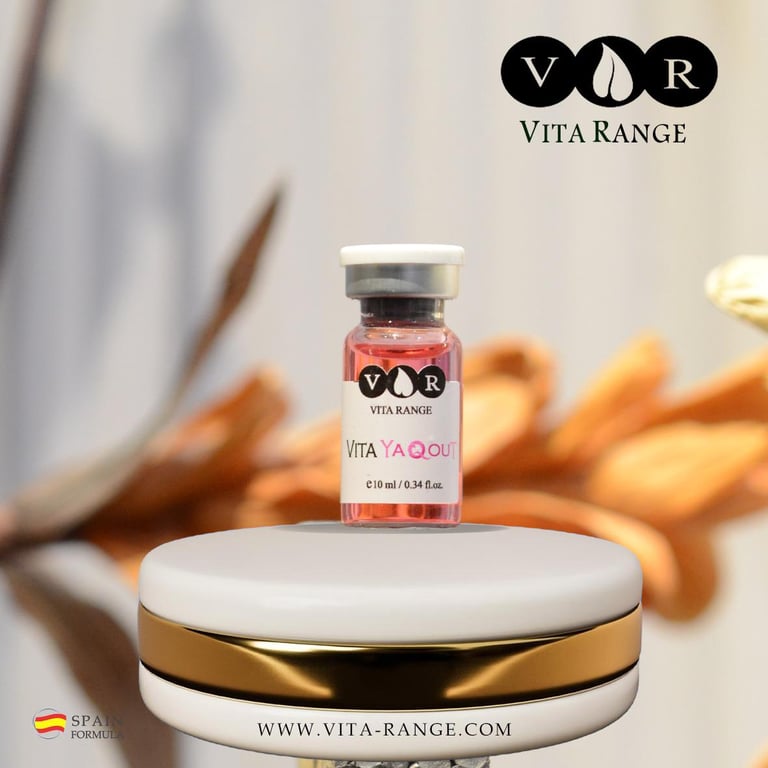
Vita nano Absolutely! Together, these ingredients form a comprehensive system.
The high-concentration Placenta provides the core energy to revitalize follicles and accelerate growth.
Ceramides act like mortar to strengthen the scalp barrier and lock in moisture, while Biotin fortifies the hair structure itself.
Finally, the Zinc and Selenium act as a shield, protecting the follicles from environmental damage.
Placenta extracts are known to contain growth factors, and Ceramides are well-documented as key components of the skin barrier. Are you perhaps interested in a specific ingredient, like the Placenta or Ceramides
Storage: Store away from heat, humidity, and sunlight. Temperature: 20-25°C
Important Note: Keep out of reach of children. Dispose of the empty container as medical waste.
For professional and medical use
To purchase the product, contact us.
VITA GFH
it contains growth factors like VEGF, FGF, IGF-1, and PDGF, along with Selenium, Zinc, Biotin, and Amino Acids.
Certainly! EGF and FGF work by stimulating follicle cell growth and improving scalp blood flow, while IGF-1 helps extend the growth phase. Finally, PDGF strengthens the support structure of each follicle. Together, they work to intensively promote hair growth and prevent loss.
Of course. The main way these growth factors work is by directly signaling follicle cells to keep growing. For instance, FGF and IGF-1 actively push the follicles into the anagen, or growth phase, and help prolong that phase, which means less shedding. EGF can also activate stem cells to initiate new growth cycles, while PDGF and VEGF reinforce the surrounding structure and blood supply to keep them healthy. It's all about maximizing time growing and minimizing time resting.
Certainly. Here's a link to a review from a medical journal that discusses how these growth factors, including EGF, FGF, IGF-1, and PDGF, regulate the hair growth cycle by influencing cell proliferation
Storage: Store away from heat, humidity, and sunlight. Temperature: 20-25°C
Important Note: Keep out of reach of children. Dispose of the empty container in the designated medical waste.
For professional and medical use
To purchase the product, contact us.
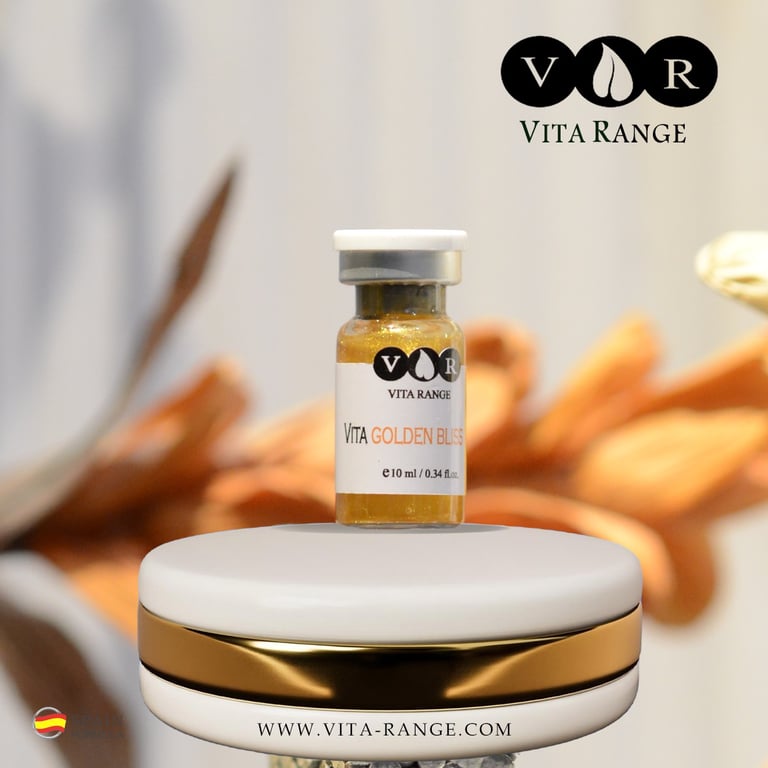
VITA HAIR PRO




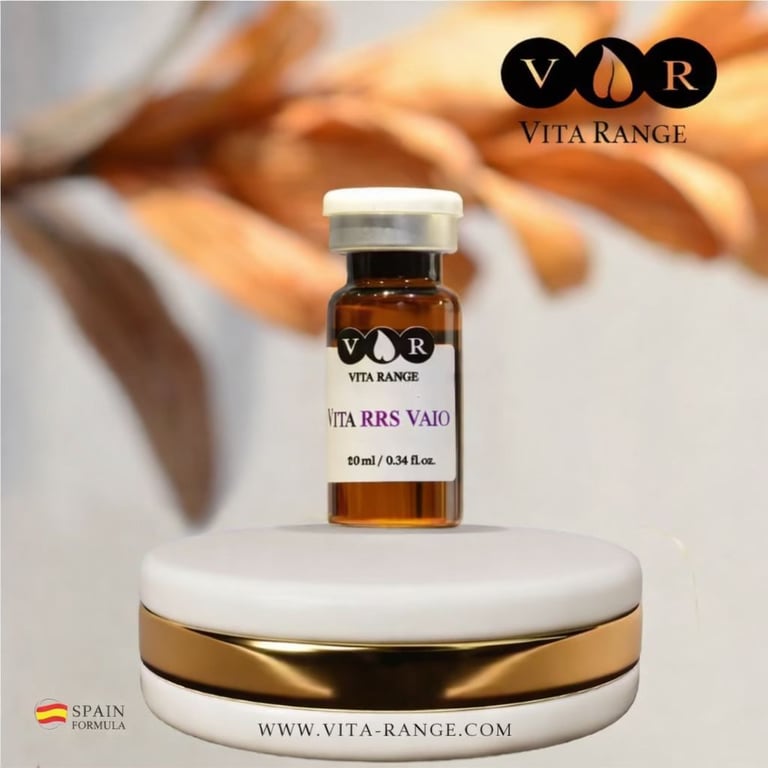
Biotin (Vitamin B7)
Often called "the hair growth vitamin," Biotin is a coenzyme essential for metabolic processes.
* Keratin Production: Biotin is a key factor in the production of keratin, the primary fibrous protein that makes up the structural integrity of the hair strand.
* Strengthening the Shaft: It improves hair elasticity and strengthens the hair cortex, significantly reducing breakage and brittleness.
* Infrastructure Support: It helps maintain the health of the hair follicles by improving the body's keratin infrastructure.
2. Zinc
Zinc is a vital mineral that the body does not store, so a steady supply is crucial for follicle health.
* Cell Division: It plays a major role in DNA and RNA production, which is necessary for the rapid division of cells in the hair matrix during the Anagen (growth) phase.
* DHT Inhibition: Zinc acts as a mild natural inhibitor of the 5-alpha reductase enzyme, helping to reduce the conversion of testosterone to DHT (the hormone responsible for genetic hair loss).
* Oil Gland Regulation: It helps keep the oil glands around the follicles working properly, ensuring the scalp remains a healthy environment for growth.
3. Selenium
Selenium acts primarily as a powerful protector for the hair follicle.
* Antioxidant Defense: It neutralizes free radicals and protects follicles from oxidative stress caused by UV rays and pollution, which can otherwise lead to premature follicle aging.
* Enzyme Activation: It is a component of selenoproteins (like glutathione peroxidase) that safeguard the hair bulb from damage.
* Thyroid Support: Selenium is essential for proper thyroid function; thyroid imbalances are a leading cause of diffuse hair thinning.
4. Amino Acids
Amino acids are the "building blocks" of the protein that forms the hair itself.
* Protein Synthesis: Since hair is roughly 85-90% keratin, amino acids like Cysteine, Methionine, and Arginine provide the raw materials needed to build a thick, healthy hair fiber.
* Vasodilation (Arginine): Specific amino acids like L-Arginine help increase Nitric Oxide levels, which dilates blood vessels and improves the delivery of nutrients to the hair root.
* Moisture Retention: They help the hair shaft retain moisture, improving texture and preventing the hair from becoming "weathered" or dull.